
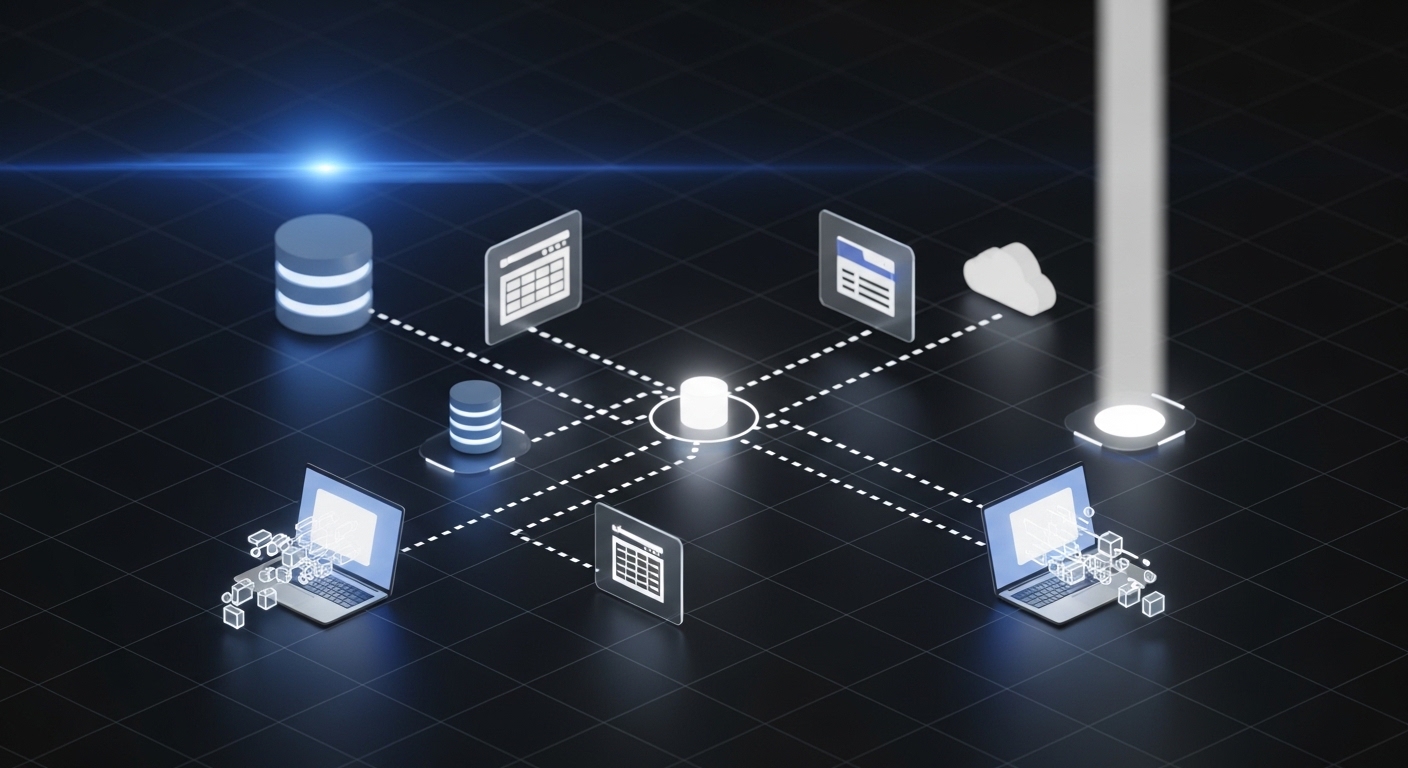
Recognizing the Significance of Data Migration

Data migration is often perceived as a technical task, but its impact on business operations is profound. As you navigate through system upgrades, mergers, or data consolidation, the need for effective data migration becomes crystal clear. It’s not just about moving information; it’s about ensuring that your business continues to run smoothly.
Think of data migration as relocating a well-established store to a new location. If you don’t pack everything carefully, you risk losing vital products or damaging them in transit. Similarly, in a business context, improper data migration can lead to:
- Data Loss: Critical information might get lost in the shuffle, leading to gaps in your operations.
- Inaccuracies: If data is not transferred correctly, it can result in skewed analytics and poor decision-making.
- Operational Disruptions: Teams may find themselves unable to access necessary data, causing delays and frustration.
In my experience, the importance of meticulous planning and execution during data migration cannot be overstated. Each step, from assessing the current data landscape to validating the migrated data, is crucial. By prioritizing data migration, you are not just safeguarding your information; you are fortifying the foundation of your business’s future.
Unlocking the Power of RPA in Data Migration

In today’s fast-paced business environment, the demand for efficient data migration solutions is higher than ever. Robotic Process Automation (RPA) emerges as a game-changer in this domain, allowing organizations like yours to streamline data migration processes with unparalleled precision.
RPA simplifies the often cumbersome task of transferring data between systems. By automating repetitive tasks, it significantly reduces the need for manual intervention, which is a common source of errors in data handling. Imagine a scenario where your team is bogged down with the tedious job of transferring customer records from one platform to another. With RPA, software robots can be programmed to perform these tasks swiftly and accurately, ensuring that no data is lost or misrepresented.
The capabilities of RPA extend beyond mere automation. It enhances accuracy by eliminating human error, which can occur during manual data entry. This level of reliability is crucial, especially when dealing with sensitive information. Additionally, RPA ensures a faster data transfer process, allowing your organization to focus on strategic initiatives rather than getting caught up in operational bottlenecks.
Consider a real-world example: a financial services firm that implemented RPA for data migration found that it reduced the time spent on data entry by 80%. This not only improved efficiency but also allowed employees to engage in more value-added activities, ultimately driving better business outcomes.
Incorporating RPA into your data migration strategy can lead to substantial improvements in both efficiency and accuracy. It’s time to embrace this technology and transform the way you handle data migration.
Recognizing the Key Challenges in Data Migration
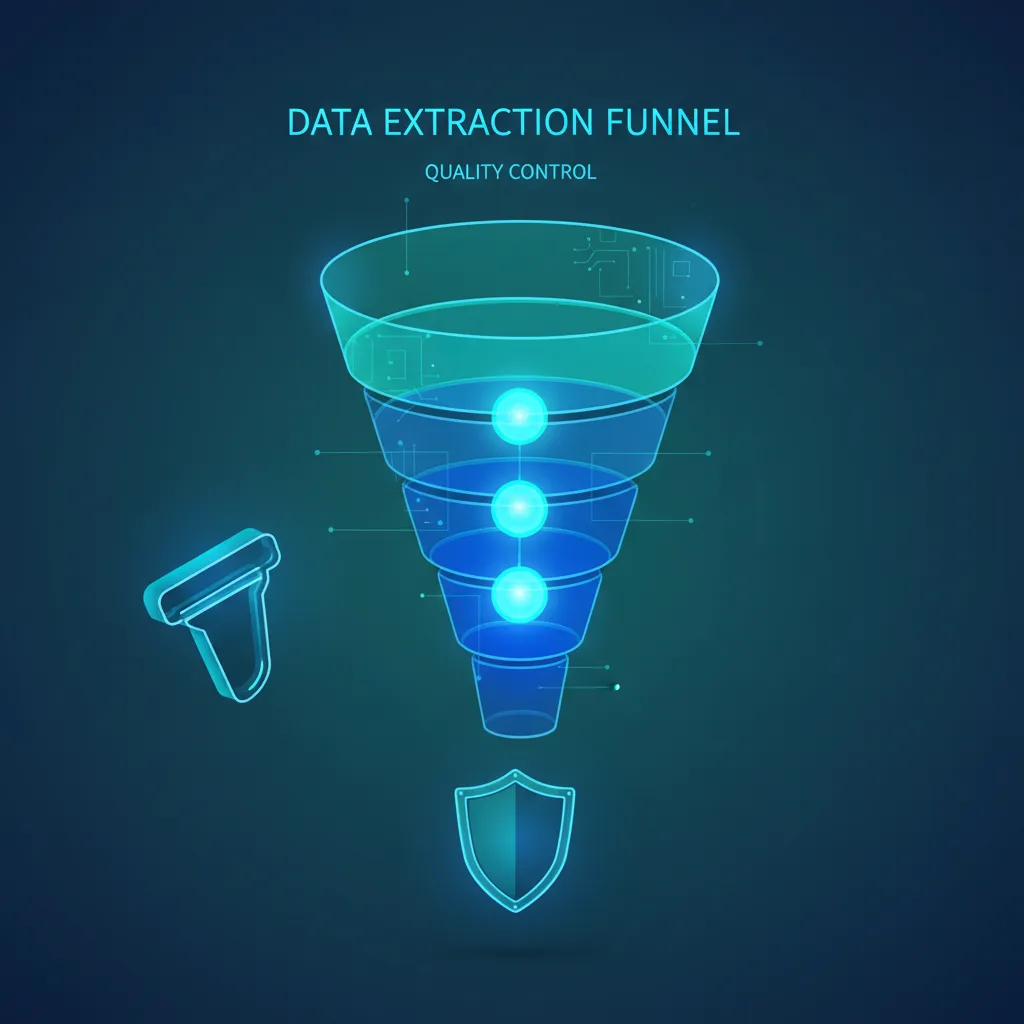
When embarking on a data migration journey, it’s crucial to understand the potential hurdles that can arise. Based on my experience, I’ve encountered several common challenges that can impact the success of your migration project:
- Data Quality Issues: One of the foremost challenges is ensuring that the data being migrated is accurate and reliable. Poor data quality can lead to incorrect analyses and decisions down the line.
- Compatibility Concerns: Different systems often have varying data formats and structures. If the source and target systems are not compatible, it can create significant roadblocks during the migration process.
- Process Complexities: The migration process itself can be intricate, involving multiple steps such as extraction, transformation, and loading (ETL). Mismanagement at any phase can result in data loss or corruption.
To navigate these challenges effectively, I cannot stress enough the importance of conducting pre-migration audits. This step allows you to:
- Assess the current state of your data and identify any quality issues.
- Understand compatibility requirements between systems.
- Map out the complexities of the migration process.
Additionally, implementing a robust data cleansing strategy before migration can significantly enhance data quality. This involves:
- Removing duplicate entries.
- Standardizing data formats.
- Validating data accuracy.
By addressing these key challenges head-on, you can set your data migration project up for success, ensuring a smoother transition and more reliable outcomes.
Mastering Data Migration: Best Practices for Seamless Transition

Data migration is a critical process that can define the success of your technology initiatives. To ensure a smooth transition, here are actionable strategies that I’ve found invaluable.
- Planning: Start with a comprehensive assessment of your current data landscape. Identify the data to be migrated, its structure, and any dependencies. Create a detailed migration plan that outlines timelines, resources, and potential risks.
- Stakeholder Engagement: Involve key stakeholders early in the process. Their insights can help identify critical data elements and potential challenges. Regular communication keeps everyone aligned and informed, reducing resistance to change.
- Testing Protocols: Develop a robust testing strategy. Implement unit tests during the migration process to catch issues early. Conduct system testing post-migration to ensure data integrity and functionality. Consider a phased rollout to minimize disruption.
- Post-Migration Validation: After migration, validate that all data has been transferred correctly. Compare source and target datasets to ensure accuracy. This step is crucial for maintaining trust in your data.
Documentation throughout the migration process is essential. Maintain clear records of all decisions, processes, and changes made during the migration. This documentation serves as a reference for future projects and helps in troubleshooting any issues that may arise.
Finally, continuous monitoring post-migration cannot be overlooked. Set up monitoring tools to track data performance and integrity. Regular audits will help address any anomalies quickly, ensuring your data remains accurate and reliable.
Harnessing Web Scraping for Seamless Data Migration

web scraping for seamless data migration” width=”1364″ height=”966″ />
When it comes to data migration, the challenges can often feel daunting. That’s where web scraping comes into play, offering a powerful means to extract necessary data from external sources. Imagine you are tasked with moving your organization’s data to a new platform, and you need to gather information from various websites, databases, or APIs. Web scraping allows you to automate this process, efficiently pulling in the data you need without the manual effort that can bog down your team.
Once the data is extracted, the next step is data enrichment. This involves enhancing your datasets with additional information that can provide greater insight. For instance, if you’re migrating customer data, scraping social media profiles or public databases can give you a more comprehensive view of your customers, including their preferences and behaviors. This enriched data not only makes your datasets more valuable but also ensures that you have a fuller picture to work with post-migration.
However, it’s crucial to focus on data accuracy and data utility. Inaccurate data can lead to poor decision-making and undermine the entire migration effort. To maintain high standards of data accuracy, I recommend implementing validation checks during the scraping process. This way, you can ensure that the data you collect is not only relevant but also reliable.
In summary, web scraping is an invaluable tool in the data migration toolkit. By facilitating the extraction and enrichment of data while emphasizing accuracy, you can make your migration process smoother and more effective, ultimately leading to better business outcomes.
Scraping Solutions: Balancing Scalability, Performance, and Cost-Efficiency