
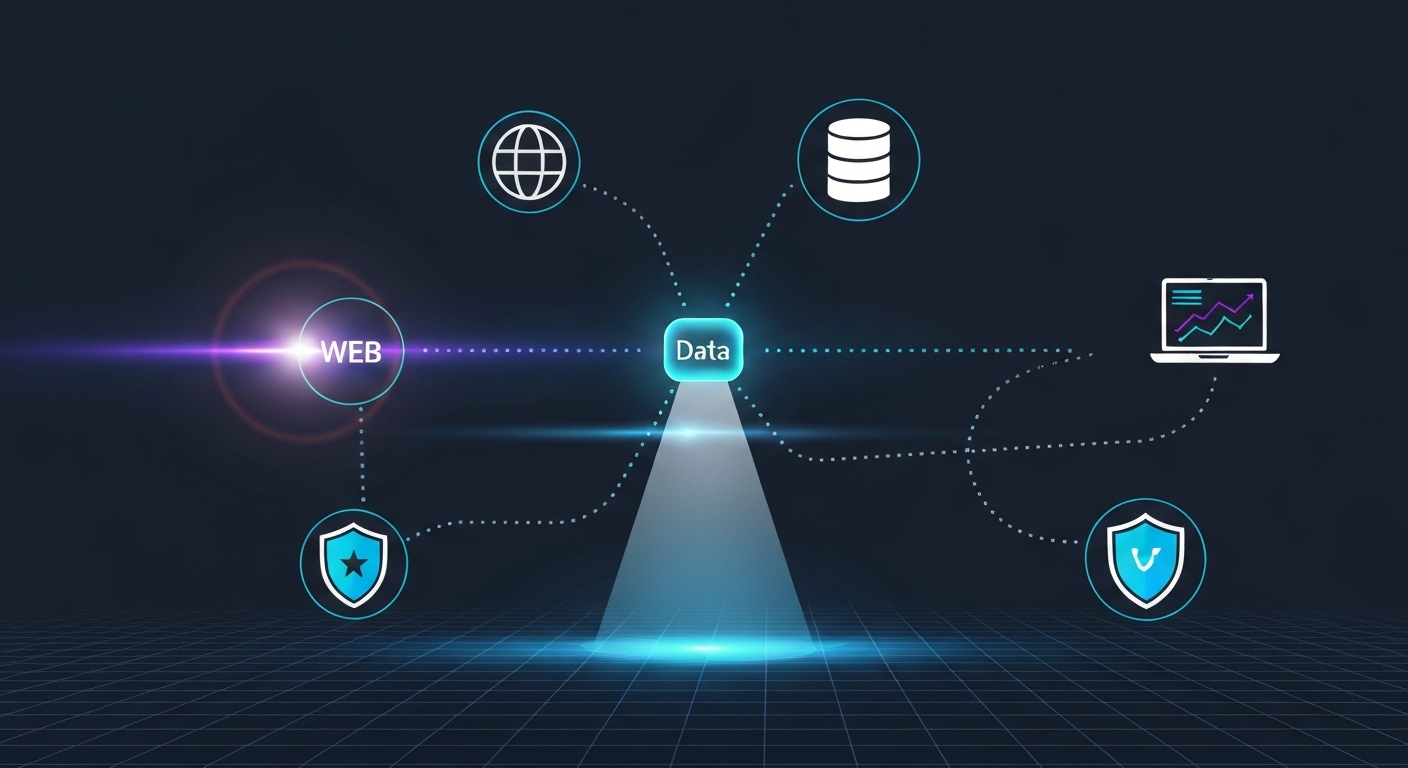
Unlocking the Power of Machine Learning through Web Scraping

As you delve into the world of machine learning, you’ll quickly realize that the quality and quantity of data are paramount. One of the most effective ways to gather vast amounts of data is through web scraping. This technique allows you to extract information from various online sources, providing a robust foundation for your machine learning models.
Imagine trying to train a model without sufficient data – it’s akin to attempting to build a house without bricks. The more diverse and comprehensive your dataset, the better your model can learn and adapt. This is where web scraping becomes invaluable. By tapping into a multitude of websites, you can collect a wide array of data points, from user reviews to product specifications, market trends, and even social media sentiments.
The role of data in model training cannot be overstated. It’s not just about having data; it’s about having the right data. Web scraping enables you to gather data from different domains, ensuring that your model is trained on varied inputs. This diversity enhances the model’s accuracy and performance, allowing it to generalize better in real-world applications.
For instance, if you’re developing a sentiment analysis tool, scraping data from multiple review sites and forums can provide a richer dataset, leading to more nuanced insights. Similarly, if you’re working on a recommendation system, accessing diverse product information through web scraping can significantly improve your algorithm’s effectiveness.
In essence, when you combine the capabilities of data collection through web scraping with the analytical power of machine learning, you’re setting the stage for innovative solutions and informed decision-making. Embrace this synergy, and watch your models thrive!
Unlocking Potential: Key Use Cases for Machine Learning-Driven Web Scraping

As you delve into the world of web scraping, integrating machine learning can significantly enhance your data extraction efforts. Let’s explore various industries and scenarios where this powerful combination can deliver practical benefits.
In the realm of sentiment analysis, businesses can leverage machine learning algorithms to process large volumes of data from social media, product reviews, and forums. For instance, a retail brand can scrape customer feedback to gauge public sentiment about a new product. By analyzing this data, you can identify trends and adjust marketing strategies accordingly.
Predictive analytics is another area where machine learning shines. Imagine a financial institution scraping news articles and economic reports to forecast market trends. By applying machine learning models to this data, you can predict stock price movements, enabling quicker, data-driven investment decisions.
Market research is yet another industry that benefits immensely from machine learning-driven web scraping. For example, a startup might scrape competitor websites to gather information on pricing strategies and product offerings. By analyzing this data using machine learning techniques, you can uncover hidden patterns and insights that inform your own business strategy.
In the healthcare sector, machine learning can optimize web scraping to extract patient reviews and clinical trial data from various platforms. This can lead to improved patient outcomes by identifying effective treatments based on real-world evidence.
Incorporating machine learning into your web scraping efforts not only streamlines data collection but also transforms raw data into actionable insights. By focusing on these key use cases, you can maximize the value of your data initiatives.
Crafting Scalable and High-Performance Web Scraping Solutions

When it comes to web scraping, designing a solution that can scale effectively while maintaining high performance is crucial. The architecture of a scalable web scraping solution hinges on several key components: the right tools, frameworks, and infrastructure.
First, selecting the appropriate tools is fundamental. For instance, using libraries like Scrapy or BeautifulSoup can streamline the scraping process, but they must be complemented by robust data storage solutions such as PostgreSQL or MongoDB. These choices ensure that as your data needs grow, your scraping solution can handle increased volumes without compromising on speed.
Next, the choice of frameworks plays a pivotal role. A microservices architecture can be particularly advantageous, allowing you to break down the scraping process into smaller, manageable services. This not only enhances performance but also enables individual components to be updated or scaled independently based on demand. For example, if you find that a specific data source is generating a high volume of requests, you can allocate more resources to that service without affecting the overall system.
Finally, your infrastructure must be adaptable. Utilizing cloud services like AWS or Google Cloud can provide the flexibility required to scale up or down based on your current scraping needs. These platforms offer tools for load balancing, which can optimize performance during peak usage times, ensuring that your scraping operations run smoothly.
In essence, by carefully considering the tools, frameworks, and infrastructure you employ, you can build a web scraping solution that not only meets today’s demands but is also poised to adapt to future growth. This adaptability is key to maintaining efficiency and performance as your data requirements evolve.
Maximize Cost-Efficiency and Ensure High Data Quality in Your Scraping Projects

data quality in your scraping projects” width=”1364″ height=”966″ />
In the world of web scraping, balancing cost-efficiency with data quality is crucial for driving successful outcomes. You may be wondering how to manage costs while still achieving the high standards of data that your business demands. Let’s explore some practical strategies.
First, consider your project pricing models. Fixed pricing can offer predictability, but it’s essential to ensure that the scope is well-defined from the outset. On the other hand, hourly rates can be flexible, accommodating changes as your project evolves. Whichever model you choose, transparency in pricing helps in setting realistic expectations.
Next, timelines play a significant role. By establishing a clear timeline, you can avoid unnecessary costs associated with delays. Break down your project into phases, which not only aids in budget management but also allows for incremental quality checks. This way, you can catch issues early and adjust your strategy without incurring hefty expenses.
Investing in quality data might seem like an upfront cost, but it pays dividends in the long run. Quality data enhances your business decision-making, leading to improved insights and strategies. For example, a retail client I worked with experienced a 30% increase in sales after utilizing high-quality competitor pricing data to adjust their own pricing strategy. This illustrates the direct correlation between ROI and the caliber of data you invest in.
In summary, managing costs while ensuring data quality is not just about saving money; it’s about making informed decisions that contribute positively to your bottom line. Prioritize these aspects in your scraping projects, and you’ll set yourself up for success.
Mastering Data Scraping Challenges for Machine Learning