
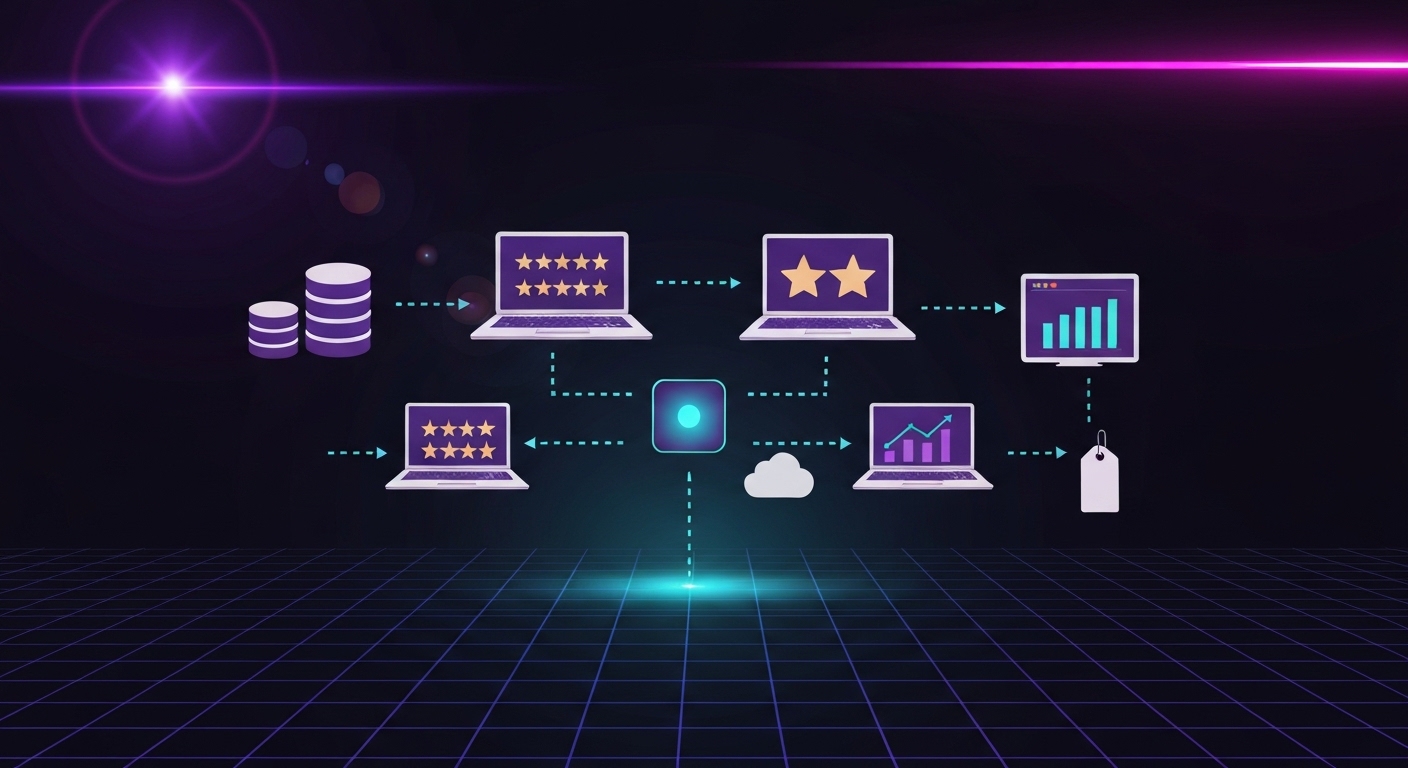
Exploring the Rich Landscape of Movie Data

When it comes to understanding the movie industry, data is your best friend. The types of movie data available online are vast and varied, each offering unique insights that can drive decision-making and strategy. Let’s take a closer look at some of the critical data points:
- Box Office Figures: Understanding the financial performance of films is crucial. This data helps you analyze trends and predict future successes.
- Ratings: Ratings from platforms like IMDb and Rotten Tomatoes provide immediate insight into audience perception and critical acclaim.
- Reviews: Scrutinizing user reviews can unveil deeper sentiments and preferences that numbers alone may not reveal.
- Streaming Statistics: As the industry shifts towards digital, knowing how many viewers a film attracts on platforms like Netflix or Hulu can shape your marketing strategies.
So, where can you find this treasure trove of data? There are several reliable data sources you can tap into:
- IMDb: A comprehensive database of movie information, including cast, crew, and user ratings.
- Rotten Tomatoes: Known for its critical ratings, it also aggregates audience reviews, providing a well-rounded view.
- Streaming Services: Platforms like Netflix and Amazon Prime often release data on viewership trends, offering a glimpse into audience engagement.
Having access to comprehensive and accurate movie data is not just a luxury; it’s a necessity for effective visualization and analysis. It empowers you to make informed decisions, optimize marketing strategies, and ultimately, create more impactful content.
Define Your Data Visualization Objectives

data visualization objectives” width=”1364″ height=”966″ />
When it comes to data visualization, clarity is key. Before diving into the world of web scraping, take a moment to define your visualization goals. Understanding what you want to achieve will not only streamline the scraping process but also enhance the impact of your visualizations.
Whether your focus is on market analysis, audience engagement, or identifying trends, each objective requires a tailored approach. For example:
- Market Analysis: If your goal is to understand box office trends, you might scrape data on movie releases, ratings, and revenue over time. Visualizing this data through line graphs can clearly illustrate performance trends, helping you make informed decisions about future releases.
- Audience Engagement: To boost audience interaction, consider scraping social media sentiment around movie releases. By visualizing this data in a dashboard format, you can track public opinion and adjust marketing strategies in real-time.
- Trend Identification: If you want to spot emerging genres or shifts in viewer preferences, scraping data on user reviews and ratings can be invaluable. A heat map displaying genre popularity over time can highlight which categories are gaining traction.
By clearly defining your goals, you create a roadmap for your web scraping efforts. This not only saves time but also ensures that the data collected aligns with your objectives. The end result? Visualizations that tell a compelling story, drive decision-making, and ultimately enhance your organization’s strategies.
Crafting an Effective Web Scraping Strategy for Movie Data