


Enhance Operational Efficiency Through Predictive Maintenance

In the rapidly evolving world of aviation, the ability to harness Big Data analytics for predictive maintenance stands out as a game changer for airlines. By leveraging vast amounts of data, you can significantly reduce downtime and maintenance costs, ultimately enhancing fleet reliability.
Imagine equipping your aircraft with IoT sensors that continuously monitor the health of critical components. These sensors gather real-time data, allowing you to analyze patterns and trends that indicate potential equipment failures. For instance, if a sensor detects unusual vibrations in an engine, you can schedule maintenance proactively, rather than waiting for a failure to occur. This not only prevents costly repairs but also ensures that your aircraft remain in the air, generating revenue.
Integrating data analytics into your maintenance strategy enables you to forecast failures with impressive accuracy. By analyzing historical data alongside real-time inputs, you can optimize maintenance schedules based on actual usage and wear, rather than relying on predetermined timelines. This tailored approach ensures that maintenance is performed only when necessary, thereby reducing unnecessary operational disruptions.
Furthermore, the financial benefits are undeniable. By minimizing unplanned maintenance events and extending the lifespan of your fleet, you can achieve substantial savings. The investment in predictive maintenance technology pays off not just in cost reductions but in the overall reliability and efficiency of your operations.
In a landscape where every minute counts, embracing predictive maintenance through IoT and data analytics is not just an option; it’s a strategic imperative for any airline aiming to thrive.
Transforming Travel: Personalization for an Exceptional Customer Experience

In the dynamic world of aviation, personalization has become a key driver of customer satisfaction. By leveraging Big Data, airlines can gain profound insights into their passengers’ preferences and behaviors, ultimately tailoring services that resonate deeply with individual travelers.
Imagine stepping onto a plane where the flight attendants greet you by name, offering your favorite beverage before you even have to ask. This is the power of data analysis at work. Airlines meticulously collect and analyze customer data—from past flight choices to in-flight purchases—to create a detailed profile of each traveler. This information enables them to craft personalized experiences, enhancing both customer loyalty and satisfaction.
Take, for example, an airline that successfully implemented a dynamic loyalty program. By analyzing travel patterns and preferences, they were able to offer tailored rewards that truly mattered to their frequent flyers, such as upgrades to business class or access to exclusive lounges. As a result, not only did they see a significant increase in customer retention, but they also fostered a community of loyal travelers who felt valued and understood.
Moreover, personalization extends to in-flight experiences as well. Some airlines now utilize customer data to customize in-flight entertainment options based on previous selections, ensuring that every passenger has a tailored viewing experience. These strategies not only enhance the journey but also contribute to positive word-of-mouth and brand loyalty.
Ultimately, when you prioritize personalization through data analysis, you transform the travel experience. By understanding your customers better, you foster a deeper connection that can lead to greater satisfaction and a lasting relationship with your brand.
Enhance Revenue with Smart Dynamic Pricing Strategies
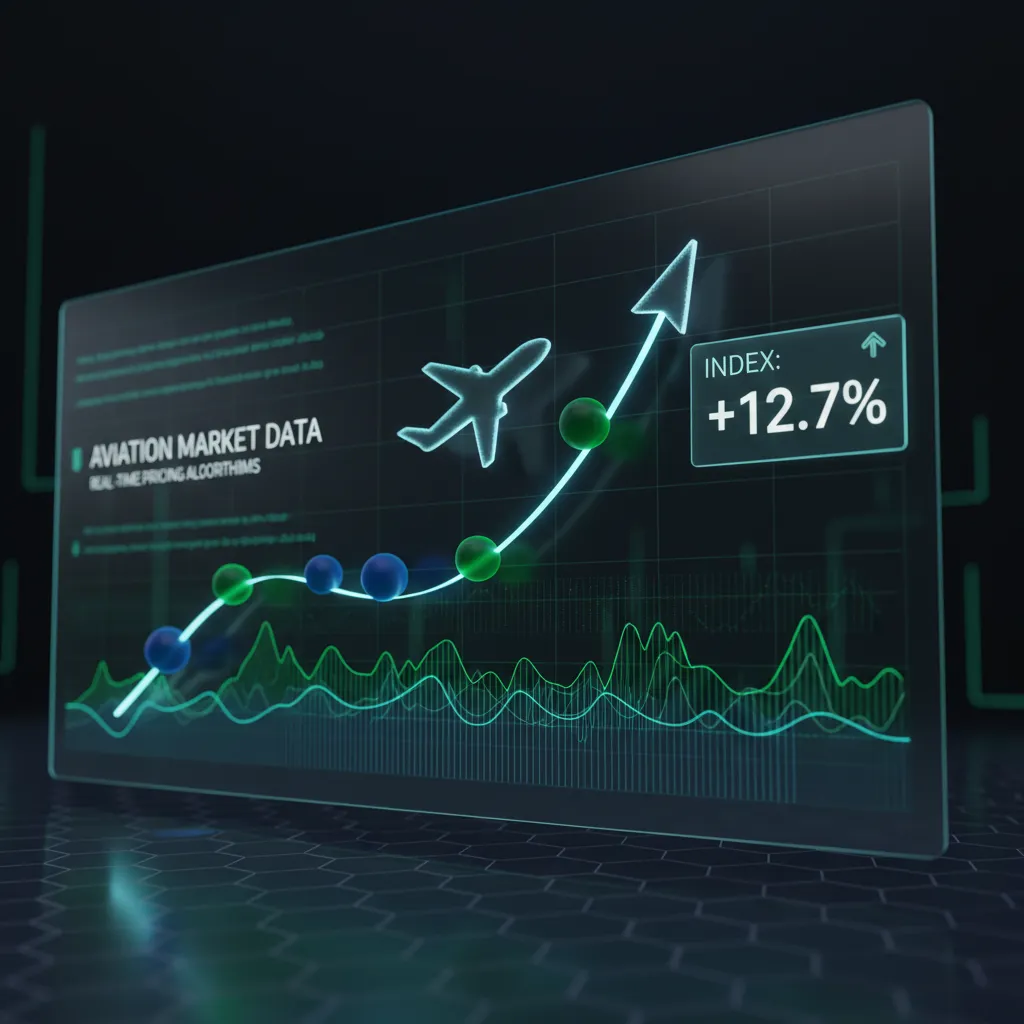
dynamic pricing strategies” width=”1364″ height=”966″ />
In the aviation industry, dynamic pricing has become a game-changer for airlines striving to maximize revenue while ensuring optimal seat occupancy. By harnessing the power of Big Data, airlines can implement sophisticated pricing models that react in real-time to market conditions.
At the heart of these dynamic pricing strategies are advanced data algorithms that analyze a multitude of factors. For instance, demand fluctuations, competitor pricing, and even external elements like weather conditions are continuously monitored. This enables airlines to adjust ticket prices on the fly, ensuring they remain competitive while also capitalizing on high-demand periods.
Imagine a scenario where a major event occurs in a city, causing a surge in demand for flights. With a robust dynamic pricing model in place, airlines can instantly increase prices for flights to that destination, maximizing their revenue without alienating potential customers. Conversely, during off-peak times, prices can be lowered to stimulate bookings, effectively managing revenue management and maintaining a healthy occupancy rate.
Moreover, integrating machine learning into these algorithms can further enhance the effectiveness of pricing strategies. Machine learning models can predict consumer behavior based on historical data, allowing airlines to fine-tune their pricing even before demand spikes. This predictive capability not only helps in setting the right price but also aids in planning capacity and inventory management.
Ultimately, the strategic use of dynamic pricing not only boosts revenue but also improves customer satisfaction by offering competitive rates tailored to market conditions. As you explore the potential of dynamic pricing, consider how data-driven decisions can transform your pricing strategies and elevate your business in the competitive aviation landscape.
Enhance Operational Efficiency through Route Optimization

Frequently asked questions
How does predictive maintenance improve airline operations?
Predictive maintenance uses IoT sensors and data analytics to monitor aircraft components in real-time. This allows airlines to schedule repairs based on actual wear rather than fixed timelines, which reduces downtime and prevents costly unplanned failures.
In what ways can airlines use Big Data to personalize the passenger experience?
Airlines analyze customer data, such as past flight choices and in-flight purchases, to create detailed traveler profiles. This information enables them to offer personalized services, tailored loyalty rewards, and customized in-flight entertainment.
What is dynamic pricing in the aviation industry?
Dynamic pricing is a strategy where airlines use data algorithms to adjust ticket prices in real-time based on factors like demand fluctuations, competitor pricing, and external conditions. This helps maximize revenue and maintain optimal seat occupancy.
How does machine learning enhance airline pricing strategies?
Machine learning models analyze historical data to predict consumer behavior. This allows airlines to fine-tune their pricing strategies and manage inventory effectively even before demand spikes occur.
What are the financial benefits of implementing predictive maintenance?
By minimizing unplanned maintenance events and extending the lifespan of aircraft components, airlines can achieve significant cost savings and improve overall operational efficiency.