
Understanding the Difference: Crawling vs. Scraping

While often used interchangeably, web crawling and web scraping are two distinct phases of data extraction.
- Web Crawling (Spidering): This is the process of programmatically navigating the web. A crawler starts with a list of seed URLs, visits them, identifies all the hyperlinks on those pages, and adds them to a queue to visit next. Search engines like Google use crawlers to map the internet.
- Web Scraping (Data Extraction): Once a crawler lands on a specific page, the scraper takes over. Scraping is the process of parsing the HTML (or JSON) of that page to extract specific data points—such as product prices, article text, or user reviews.
To successfully gather data at scale, you usually need a system that does both: a crawler to discover the pages, and a scraper to extract the valuable information from them.
Define Your Crawling Objectives

Before writing a single line of code, it’s crucial to establish clear objectives. Crawling without a targeted scope wastes bandwidth, storage, and computing resources. Common goals include:
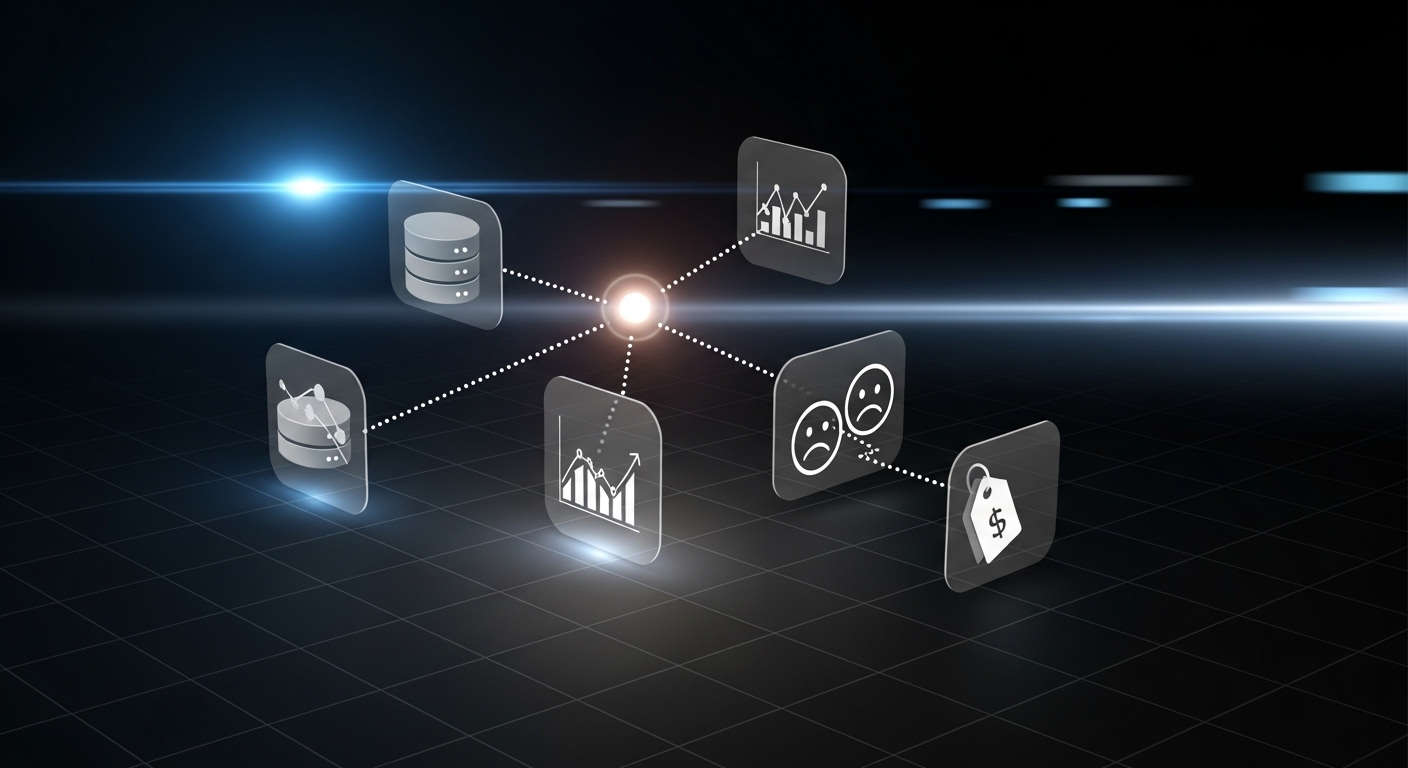
- Market Research & Price Monitoring: Tracking competitor pricing, stock levels, and product catalogs in real-time to adjust your own pricing strategies.
- Lead Generation: Aggregating public contact information, business directories, or professional profiles to build sales pipelines.
- Machine Learning & AI Training: Collecting massive datasets of text, images, or structured data to train custom AI models.
Your objectives dictate your technical approach. Scraping a static blog requires vastly different tools than scraping a highly dynamic, JavaScript-heavy e-commerce site.
Choosing the Right Tools and Technologies

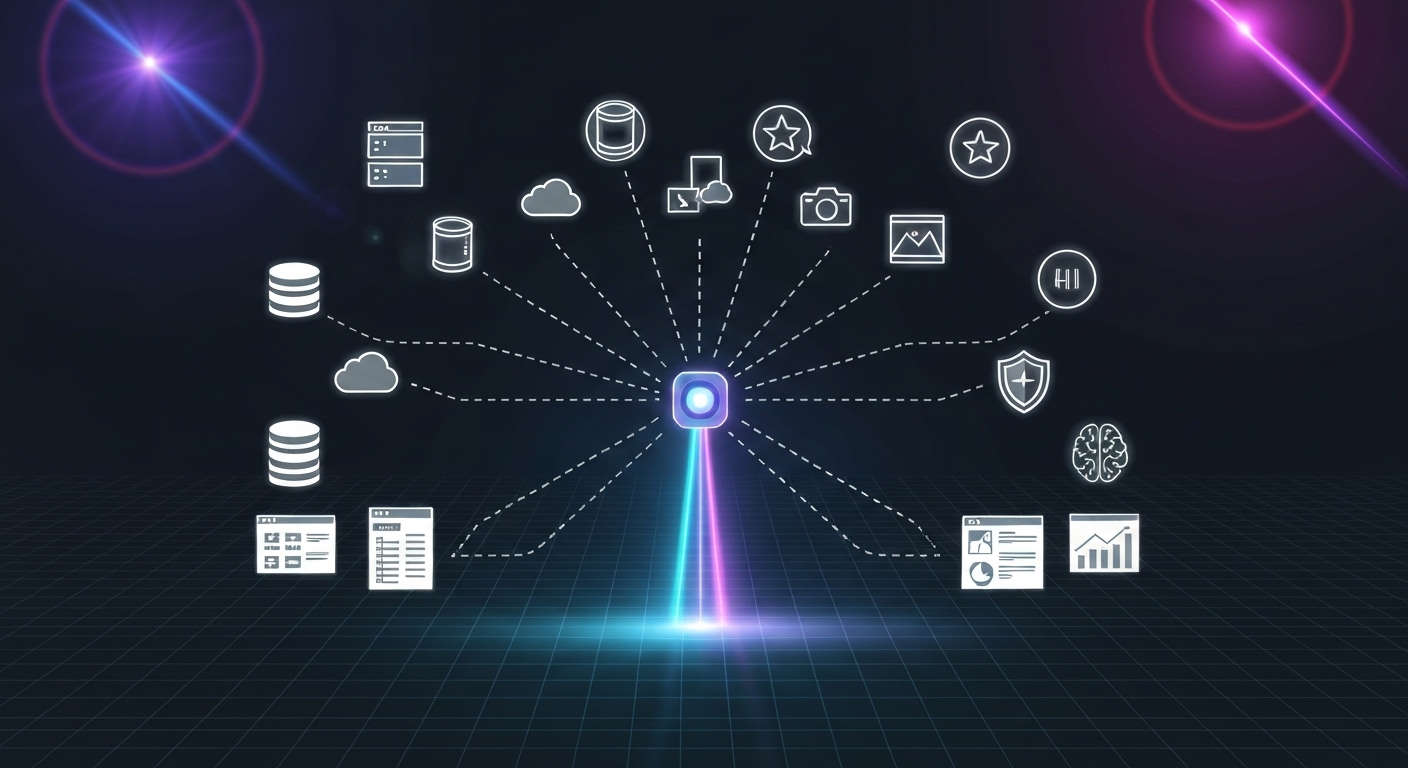
The web scraping ecosystem is vast. Selecting the right technology stack depends on the complexity of the target website and the scale of your operation.
- HTTP Clients & Parsers (For Static Sites): If the target website serves plain HTML, you can use an HTTP client like Python’s
requestsorhttpxto fetch the page. Once fetched, you pass the HTML to a parser like Beautiful Soup or lxml to extract the data. This method is incredibly fast and resource-efficient. - Headless Browsers (For Dynamic Sites): Modern websites built with React, Vue, or Angular load data dynamically via JavaScript. A simple HTTP request will only return an empty HTML shell. To scrape these, you need tools like Playwright, Puppeteer, or Selenium. These tools launch a hidden (headless) browser, execute the JavaScript, and allow you to scrape the fully rendered page.
- Full-Scale Frameworks: For large-scale operations, Scrapy is the industry standard. It is a powerful, asynchronous Python framework that handles request scheduling, concurrency, data pipelines, and error handling out of the box.
- Commercial Web Scrapers: If you lack a dedicated engineering team, commercial APIs and scraping platforms offer managed solutions. They handle proxy rotation, CAPTCHA solving, and browser rendering via simple API calls.
Crafting a Comprehensive Crawling Strategy
When developing a crawling strategy, efficiency and ethics must go hand-in-hand.
- Respect
robots.txt: Always check the target website’srobots.txtfile (e.g.,example.com/robots.txt). This file outlines which directories are permissible to crawl and which are off-limits. Ignoring it can lead to IP bans and potential legal scrutiny. - Manage Request Limits (Rate Limiting): Do not bombard a server with hundreds of requests per second. Implement delays (throttling) between your requests to simulate human behavior and avoid degrading the target website’s performance.
- Identify Hidden APIs: Before trying to parse complex HTML or spinning up a resource-heavy headless browser, check the network tab in your browser’s developer tools. Often, websites fetch their data via hidden JSON APIs. Scraping these APIs directly is faster, cleaner, and more reliable than parsing HTML.
Address Common Scraping Challenges
When diving into web scraping, you will inevitably encounter anti-bot protections. Here is how to navigate them:
- IP Blocking & Rate Limiting: Websites monitor traffic and will block IP addresses that make an unnatural number of requests. To mitigate this, use a rotating proxy network. Proxies route your requests through different IP addresses (datacenter, residential, or mobile), making your scraper look like multiple distinct users.
- CAPTCHAs and Bot Protection: Services like Cloudflare or Datadome use advanced fingerprinting to detect bots, often serving CAPTCHAs. Overcoming this requires using high-quality residential proxies, randomizing your user-agent strings, and sometimes utilizing third-party CAPTCHA-solving APIs.
- Website Structure Changes: Websites frequently update their UI, which can break your CSS selectors or XPath queries. Build your scrapers defensively. Use modular code, rely on robust selectors (like
data-*attributes if available), and implement automated alerting so you know immediately when a scraper fails.
Handle Data Storage and Format
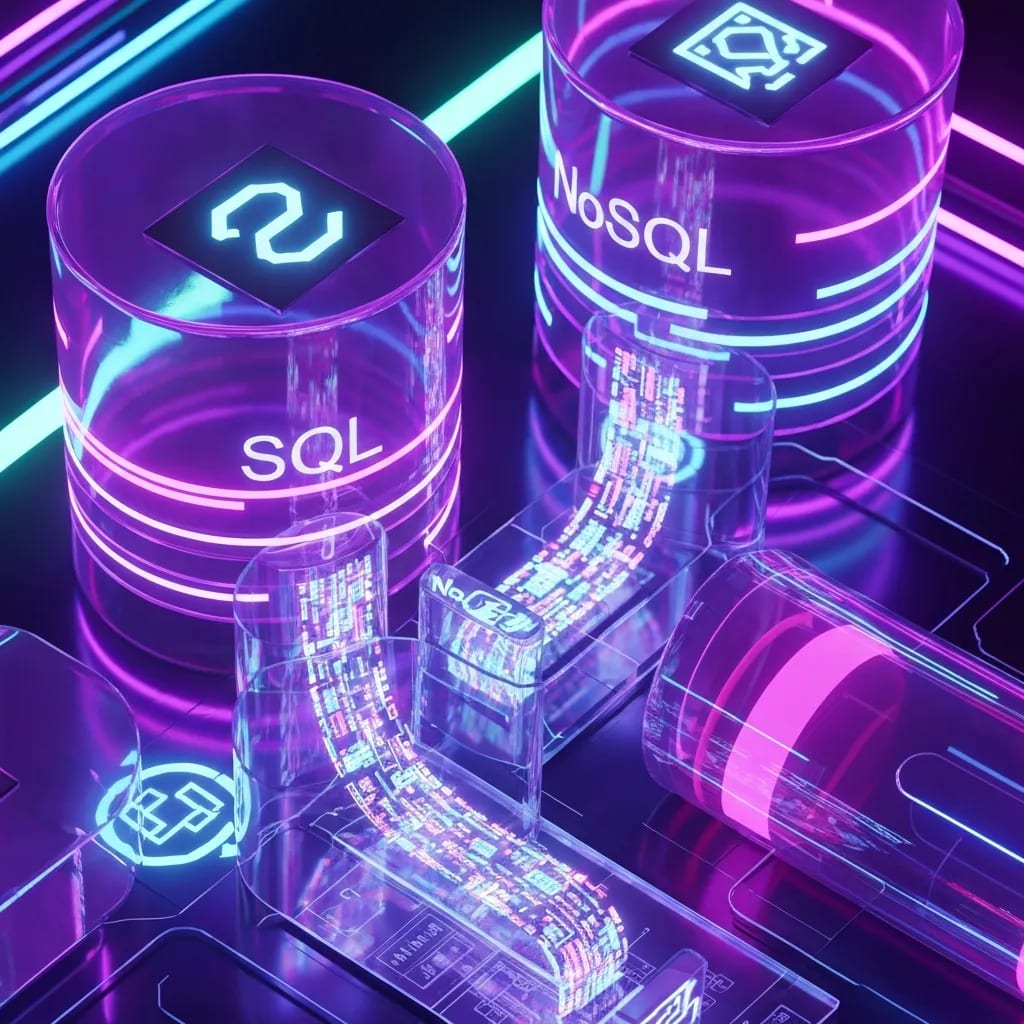
The value of your scraped data relies entirely on how accessible and structured it is.
- CSV: Best for flat, tabular data. It is lightweight, universally supported, and easily imported into Excel or Pandas for quick analysis.
- JSON / JSON Lines: The ideal format for hierarchical or nested data (e.g., a product with multiple variations and nested reviews). JSON Lines (
.jsonl) is particularly useful for large datasets, as it allows you to append data line-by-line without loading the entire file into memory. - Databases (SQL vs. NoSQL): For production environments, push your data directly into a database. Use PostgreSQL or MySQL if your data has a strict, predictable schema. Use MongoDB (NoSQL) if the data structure varies wildly between different websites or pages.
By understanding the technical nuances of web crawling, respecting target servers, and building resilient architectures, you can turn the public web into your most valuable data asset.
Frequently Asked Questions
What are the primary challenges in web scraping and how can they be overcome?
Common challenges include IP blocking, CAPTCHA encounters, and frequent website structure changes. These can be mitigated by using rotating proxies, CAPTCHA-solving services or human-like scraping behavior, and building flexible, modular scrapers with regular monitoring.
How do I choose the right tools for my web scraping project?
The choice of tools depends on your project’s scale, technical expertise, and budget. HTTP clients and parsers (like requests and Beautiful Soup) are great for simple, static tasks. Headless browsers (Playwright) are required for dynamic JavaScript sites. Robust frameworks like Scrapy suit large-scale operations.
What are the ethical considerations I should keep in mind when crawling websites?
Ethical crawling involves respecting a website’s robots.txt file, managing request limits to avoid overwhelming servers (rate limiting), and only extracting publicly available data. Prioritizing ethical practices prevents IP bans and potential legal issues.
How can web crawling help my business with market research and competitive analysis?
Web crawling provides real-time data on market trends, consumer preferences, product offerings, and pricing strategies. It allows you to gather insights into competitors’ strategies, product launches, and promotional campaigns to stay ahead.
What are the best practices for storing and formatting scraped data for accessibility and usability?
For straightforward data, CSV files are simple and widely supported. JSON is ideal for hierarchical data structures. For complex needs, SQL databases offer structured storage and powerful querying, while NoSQL databases provide flexibility for unstructured or rapidly growing datasets.